
Yes, a dog’s breed can affect your homeowners insurance. Some insurers keep breed lists that trigger exclusions, higher premiums, or even nonrenewal, while others underwrite based on your dog’s individual behavior. Liability coverage is where the impact lands hardest. If your breed is affected, check your policy wording, disclose your dog honestly, and shop for behavior-based coverage right away.
TL;DR:
- Many insurers restrict or exclude coverage for breeds like Dobermans, Pit Bulls, Rottweilers, and large guard dogs, but criteria vary between companies.
- Claims involving dog bites often lead to higher payouts and increased premiums, motivating breed restrictions based on accident history rather than behavior alone.
- State laws differ, with some limiting breed-based insurance denials, but many carriers still impose exclusions based on documented bite or dangerous dog findings.
- Proper documentation of training, behavior assessments, and breed identification can improve chances of obtaining coverage with a behavior-based underwriter.
- Misrepresenting a dog’s breed or bite history during application can lead to claim denials, policy rescission, or nonrenewal, emphasizing the importance of full disclosure.
Table of Contents
- Which Dog Breeds Show Up on Homeowners Insurance Restriction Lists?
- What Does Homeowners Insurance Actually Cover for Dog Incidents?
- Why Do Insurers Restrict Certain Dog Breeds?
- Are There Laws Limiting Breed-Based Insurance Denials?
- What Should You Do If Your Dog Is Excluded From Coverage?
- What Happens If You Don’t Disclose Your Dog to Your Insurer?
- Do Mixed-Breed Dogs Get Treated Differently Than Purebreds?
- How Should You Talk to Your Insurer About Your Dog’s Breed?
- Can Training or Behavior Certification Lower Your Insurance Risk?
- How Local Agents Help Homeowners Navigate Breed Restrictions
- Get Your Dog’s Coverage Sorted Out With Roman-Insurance
- Sources
Which Dog Breeds Show Up on Homeowners Insurance Restriction Lists?
Insurers don’t share one master list, but the same names keep reappearing across the industry. Aggregated data from Forbes Advisor shows Doberman pinschers, pit bull type dogs, Rottweilers, chow chows, wolf hybrids, and Presa Canarios among the breeds most frequently flagged by carriers.
Other breeds that regularly draw scrutiny include:
- Akitas
- German Shepherds
- Siberian huskies and other large guard or working breeds
- Staffordshire terriers and American bulldogs (often grouped under “pit bull type”)
- Cane Corsos and other large mastiff-type dogs
Pro Tip: Don’t assume your dog is clear just because your breed isn’t on a popular restriction list. “Pit bull” is often defined by appearance rather than registered breed, so mixed-breed dogs with a blocky head or muscular build sometimes get flagged during underwriting even without documented lineage.
No two carriers use identical criteria. One insurer might exclude Rottweilers outright while another writes the policy after reviewing bite history and vet records. A growing number skip the breed list entirely and evaluate the individual dog, which means the same dog could be declined by one company and approved without issue by the next.
What Does Homeowners Insurance Actually Cover for Dog Incidents?
Two coverages typically respond when your dog hurts someone or damages property: personal liability and medical payments to others. Personal liability pays for legal defense and settlements if you’re sued after your dog bites a visitor or another animal. Medical payments coverage, usually capped between $1,000 and $5,000, pays medical bills for a minor injury regardless of fault, without a lawsuit.
Exclusions are where things get complicated. Insurers handle high-risk dogs in a few distinct ways:
- Breed exclusion: the policy denies any liability claim tied to specific breeds, regardless of that dog’s actual behavior.
- Named-animal exclusion: the insurer writes your homeowners policy normally but adds an endorsement excluding liability for your specific dog, often after a bite incident or a disclosed breed concern.
- Post-claim exclusion: coverage exists at the time you buy the policy, but after a claim, the insurer amends the policy going forward.
Each path carries real consequences. A denied claim leaves you personally responsible for medical bills and legal costs. An endorsement excluding your dog means you’re covered for everything except that one liability exposure. Repeated claims can lead to nonrenewal, and a claim history involving dog bites tends to raise premiums even with a new carrier. If you’re gathering evidence for a dispute, understanding how claims documentation works helps you avoid a denial rooted in a paperwork gap rather than the incident itself.
Why Do Insurers Restrict Certain Dog Breeds?
The reasoning is financial, not personal. U.S. home insurers paid nearly $900 million in dog-related liability claims in a single recent year, according to the Insurance Information Institute. Dog bite and injury claims also tend to produce higher average payouts than most other homeowners liability claims, since bites frequently involve surgery, scarring, or long-term medical treatment.
Breed lists function as a shortcut. Rather than evaluating bite statistics for every dog individually, an insurer denies or restricts a handful of breeds associated with severe injury claims and moves on. It’s efficient underwriting, even if it paints with a broad brush. That’s slowly changing. More carriers, per MoneyGeek’s analysis, now weigh a dog’s actual bite history and behavior over its breed label alone, especially when an owner can document a clean record.

Are There Laws Limiting Breed-Based Insurance Denials?
State regulation on this topic is a patchwork, not a uniform rule. The NAIC tracks breed-specific legislation and notes that some states restrict insurers from denying, canceling, or refusing to renew a homeowners policy based on breed alone. Other states place no such limits, leaving breed-based underwriting fully at the carrier’s discretion.
Even where protections exist, exceptions are common:
- A documented “vicious dog” finding through animal control or a court can override breed protections.
- A prior bite claim on your dog specifically, regardless of breed, often permits exclusion or cancellation.
- Local municipal ordinances sometimes impose their own restrictions separate from state insurance law.
Check both your state’s rules and the specific language in your policy. State law sets the floor, but your insurer’s contract determines what actually happens to your coverage.
What Should You Do If Your Dog Is Excluded From Coverage?
Getting excluded doesn’t mean you’re out of options. Work through these steps in order.
- Review your policy and pet questionnaire. Find the exact wording used to exclude your dog, and get any exclusion confirmed in writing rather than relying on a verbal explanation from a call center.
- Document behavior and training. Vet records showing no bite history, a completed AKC Canine Good Citizen certification, or a professional trainer’s written behavior assessment all carry weight with underwriters who look past breed alone. Save DNA testing for cases where the breed identification itself is disputed. It rarely helps and sometimes hurts if the results confirm a restricted breed.
- Shop other carriers. Since restriction lists vary so widely, a dog declined by one company often gets approved by another. An independent agent who works with multiple carriers can run this search faster than you can alone, since they already know which underwriters take a behavior-based approach.
Some insurers will approve coverage with conditions attached: secure fencing, a locked gate, a muzzle requirement in public, or posted warning signage. Treat these as negotiating chips rather than obstacles. Walking into a conversation with an agent already holding vet records, training certificates, and proof of a secure yard puts you in a stronger position than calling with nothing but a breed name.
What Happens If You Don’t Disclose Your Dog to Your Insurer?
Skipping the pet question on your application, or leaving out a bite history, feels like a shortcut. It isn’t. Insurers routinely ask about pets during underwriting, and misrepresenting or omitting that information counts as material misrepresentation on your application. According to Business Insider’s reporting, failing to disclose a dog or its bite history is a common reason claims get denied entirely, not just reduced.
Here’s how it usually plays out. You don’t mention your Rottweiler when you bind the policy. Eighteen months later, the dog bites a neighbor’s child, and you file a liability claim. The insurer investigates, discovers the dog was never disclosed, and denies the claim on the grounds that they never had the chance to underwrite that risk in the first place. Some go further and rescind the entire policy retroactively, treating it as if it never existed.
Nondisclosure also creates cancellation and nonrenewal exposure that has nothing to do with the dog bite itself. Once an insurer learns you withheld pet information, even without an incident, they can cancel the policy for misrepresentation at your next renewal or sooner in some states. That’s a worse outcome than simply being declined for a restricted breed up front, because it leaves you scrambling for a new policy with a cancellation on your record. Disclosure obligations aren’t unique to insurance either; buyers and sellers face similar rules around property disclosures in real estate transactions, and the underlying principle is the same: hiding a known risk factor tends to cost more than reporting it.
Do Mixed-Breed Dogs Get Treated Differently Than Purebreds?
Mixed breeds occupy a strange middle ground in underwriting. On one hand, a mutt with no traceable lineage to a restricted breed often sails through applications that would flag a purebred Rottweiler or Doberman. On the other, appearance-based screening cuts against mixed-breed dogs just as often as it protects them.
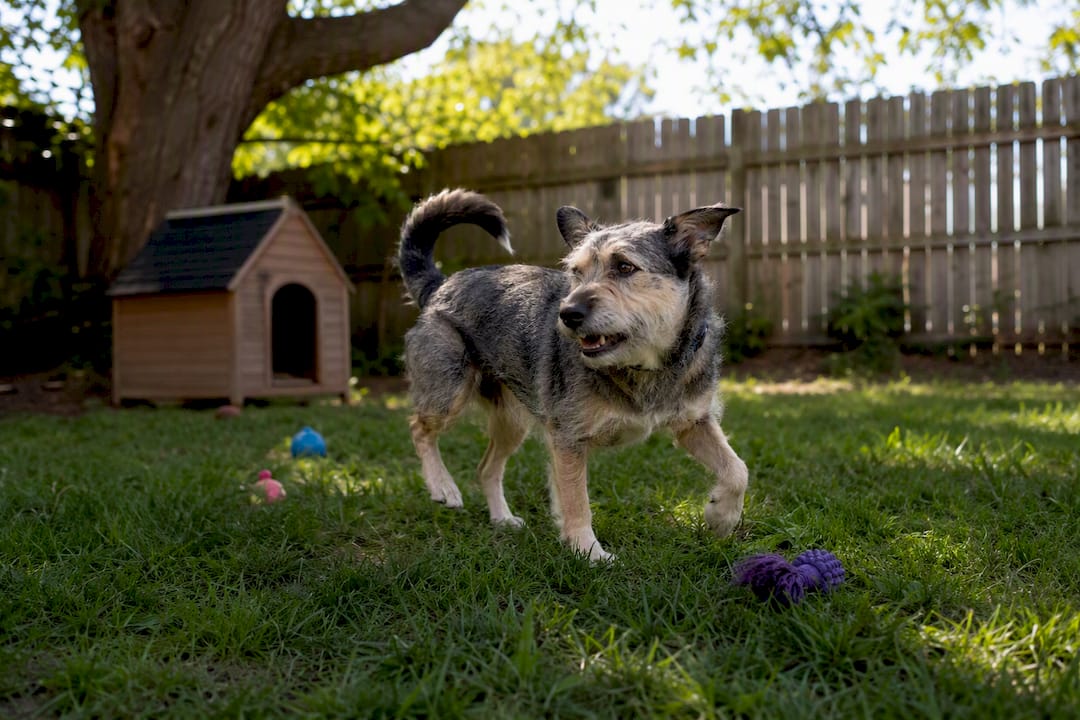
Here’s the practical reality: many insurers ask “what breed is your dog” on an application and accept your answer at face value, especially for a rescue with unclear parentage. But if your mixed-breed dog visibly resembles a restricted breed, some underwriters will classify it as that breed regardless of what your adoption paperwork says. A blocky-headed, muscular 60-pound rescue can get labeled “pit bull type” even if a DNA test would show otherwise.
Premiums follow a similar pattern. A mixed breed with no restricted-breed appearance or documented aggression typically doesn’t move your premium at all. One that visually resembles a flagged breed can trigger the same rate increase or exclusion a purebred would face. This is precisely where documentation matters more than paperwork. A vet’s letter describing your dog’s temperament, or a completed training certification, tends to carry more underwriting weight than an adoption certificate stating a specific breed mix, since insurers know shelter breed guesses are frequently wrong anyway.
How Should You Talk to Your Insurer About Your Dog’s Breed?
The way you frame the conversation with an insurer often matters as much as the facts themselves. Vague answers invite the most conservative underwriting response, so precision works in your favor.
Start by getting your dog’s breed identification as accurate as possible before you call. If you adopted through a shelter, ask for any paperwork noting breed guesses, and consider a DNA test only if you suspect the shelter’s guess is pushing you into a restricted category unfairly. When you do speak with an underwriter or agent, lead with specifics rather than generalities: your dog’s age, weight, any completed training, and a direct statement about bite history (or the absence of one).
Ask direct questions instead of accepting the first answer. Find out whether the company underwrites by breed alone or evaluates individual dogs, since that single distinction determines whether documentation will even move the needle. If your dog is excluded, ask specifically whether the exclusion applies to the entire policy or only to a named-animal endorsement, because those have very different implications for umbrella coverage down the road.
Put everything in writing. A verbal assurance from a phone rep that your dog is “probably fine” means nothing if a claim gets denied later. Request written confirmation of your dog’s coverage status, and keep a copy of your application showing exactly what breed and behavior information you disclosed. That paper trail protects you if a dispute ever arises over what the insurer knew and when.
Can Training or Behavior Certification Lower Your Insurance Risk?
Training documentation increasingly changes underwriting outcomes, not just owner peace of mind. Insurers moving toward behavior-based evaluation want evidence, and a completed AKC Canine Good Citizen certification is one of the most recognized credentials an owner can present. It signals a formal evaluation of obedience and temperament around strangers, other animals, and distractions, which is exactly the risk profile underwriters care about.
A clean bite history matters just as much as formal certification. Vet records showing years of checkups with no aggression notes, combined with a professional trainer’s written assessment, give an underwriter something concrete to weigh against a breed label. MoneyGeek’s research on dog-friendly carriers found that this kind of documentation materially improves an owner’s odds of securing standard coverage for a breed that would otherwise get excluded outright.
None of this guarantees approval. A dog with a documented prior bite, even a minor one, will struggle to overcome that history through training alone, and some insurers still won’t budge regardless of certification. But for the far more common scenario where an owner’s dog has never bitten anyone and simply carries an unlucky breed label, training records and behavioral documentation are the single most effective lever available before you start shopping new carriers.
How Local Agents Help Homeowners Navigate Breed Restrictions
A national call center reads you a breed list. A local agent does something different: pulls your policy language, calls carriers directly, and presents your dog’s training records and vet history to underwriters who actually consider that context. Roman-insurance works this way across West Tennessee, matching homeowners with carriers that evaluate dogs individually rather than declining on breed alone, and packaging umbrella or standalone liability coverage when a straight homeowners policy won’t stretch far enough.
— josh
Get Your Dog’s Coverage Sorted Out With Roman-Insurance
Roman-insurance gives West Tennessee homeowners something a call center can’t: an agent who actually reviews your policy, calls carriers on your behalf, and knows which underwriters look past a breed label when your dog has clean vet records and a training certificate to back it up. We handle the policy review, the carrier shopping, and the paperwork for standalone liability or umbrella add ons if your current homeowners policy excludes your dog. Homeowners near Germantown and across the surrounding 38002 area already rely on us for exactly this kind of coverage headache.

If your dog’s breed has ever complicated a quote, or you’re not sure what your current policy actually excludes, request a homeowners insurance review and we’ll walk through your options carrier by carrier.
Sources
- Dog Breeds Banned by Homeowners Insurance Companies – Forbes Advisor
- Breed-specific legislation – NAIC
- Dog-friendly homeowners insurance – MoneyGeek