Yes. Standard homeowners insurance in Tennessee typically covers tornado and wind damage to your home, but two things can blow a hole in that protection: separate wind/hail deductibles and the flat exclusion of flood damage. Tennessee sits inside “Dixie Alley,” and NOAA’s National Weather Service tracks tornado statistics showing the state faces meaningfully elevated tornado risk compared to much of the country. Do two things right now: pull your declarations page and find your wind/hail deductible and Additional Living Expenses (ALE) limit, then call your agent, Roman Insurance or otherwise, and write down who you spoke with and when.
Before you do anything else, gather:
- Your policy number and declarations page
- Photos or video of the damage, taken before any cleanup
- A list of temporary repairs already made, with receipts
- Contact info for whoever inspects the property next
Pro Tip: Save a photo of your declarations page to your phone right now, before a storm hits. You won’t be digging through file boxes with no power and a leaking roof.
Key Takeaways
Tennessee homeowners insurance generally covers tornado wind damage, but a separate wind/hail deductible and a hard flood exclusion determine your real financial exposure.
| Point | Details |
|---|---|
| Check your wind/hail deductible | It’s usually a percentage of your dwelling limit, commonly 1% to 5%, not a flat dollar figure. |
| Flood needs its own policy | Standard homeowners insurance excludes flood; NFIP policies carry a 30-day waiting period before taking effect. |
| Document before repairing | Photograph damage and make only temporary repairs until an adjuster inspects, per TDCI guidance. |
| Use ALE if displaced | Ask your insurer about Additional Living Expenses and log every representative’s name and call time. |
| Roman Insurance reviews your gaps | Roman Insurance offers homeowners policy reviews, claims support, and bundling to help close deductible and flood coverage gaps. |
Table of Contents
- What Parts of Your Tennessee Homeowners Policy Pay for Tornado Damage?
- How Do Wind and Hail Deductibles Work in Tennessee?
- What Happens After You File a Tornado Damage Claim?
- Does Homeowners Insurance Cover Flood Damage From a Tornado?
- What Should You Do in the First 72 Hours After a Tornado?
- When Should You File a Complaint or Call an Attorney?
- How Roman Insurance Helps You Prepare and Recover
- Why Tennessee’s Storm Reality Should Change How You Insure
- Get Your Tornado Coverage Checked Before the Next Storm Season
- Frequently Asked Questions
- Sources
What Parts of Your Tennessee Homeowners Policy Pay for Tornado Damage?
A standard homeowners policy splits payment across four buckets, and knowing which one applies to your damage saves you from guessing during a stressful week.
- Coverage A (dwelling) pays to repair or rebuild your house structure, roof included. This is usually where the bulk of tornado claims land.
- Coverage B (other structures) handles detached garages, sheds, and fences, often at a lower limit than the main dwelling.
- Coverage C (personal property) covers furniture, electronics, and belongings damaged by wind or falling debris.
- Coverage D (loss of use / ALE) reimburses hotel stays, restaurant meals, and other extra costs while your home is unlivable.
Two more distinctions matter more than most homeowners realize. Replacement cost value (RCV) pays what it actually costs to rebuild or replace today; actual cash value (ACV) subtracts depreciation, which can leave you shortchanged on an older roof. And most policies cap certain items hard: tree removal often has a per-tree or per-occurrence dollar limit, landscaping is rarely covered at full value, and vehicles are excluded from homeowners coverage entirely (that’s what auto comprehensive coverage is for). The Insurance Information Institute confirms wind damage from tornadoes is generally covered under standard homeowners forms, but that “generally” is doing real work in that sentence, especially once you hit sublimits.
How Do Wind and Hail Deductibles Work in Tennessee?
Most Tennessee homeowners policies carry a separate wind/hail deductible instead of your regular flat deductible, and it’s usually a percentage of your dwelling coverage limit rather than a fixed dollar amount. That single distinction is where a lot of homeowners get an unpleasant surprise.
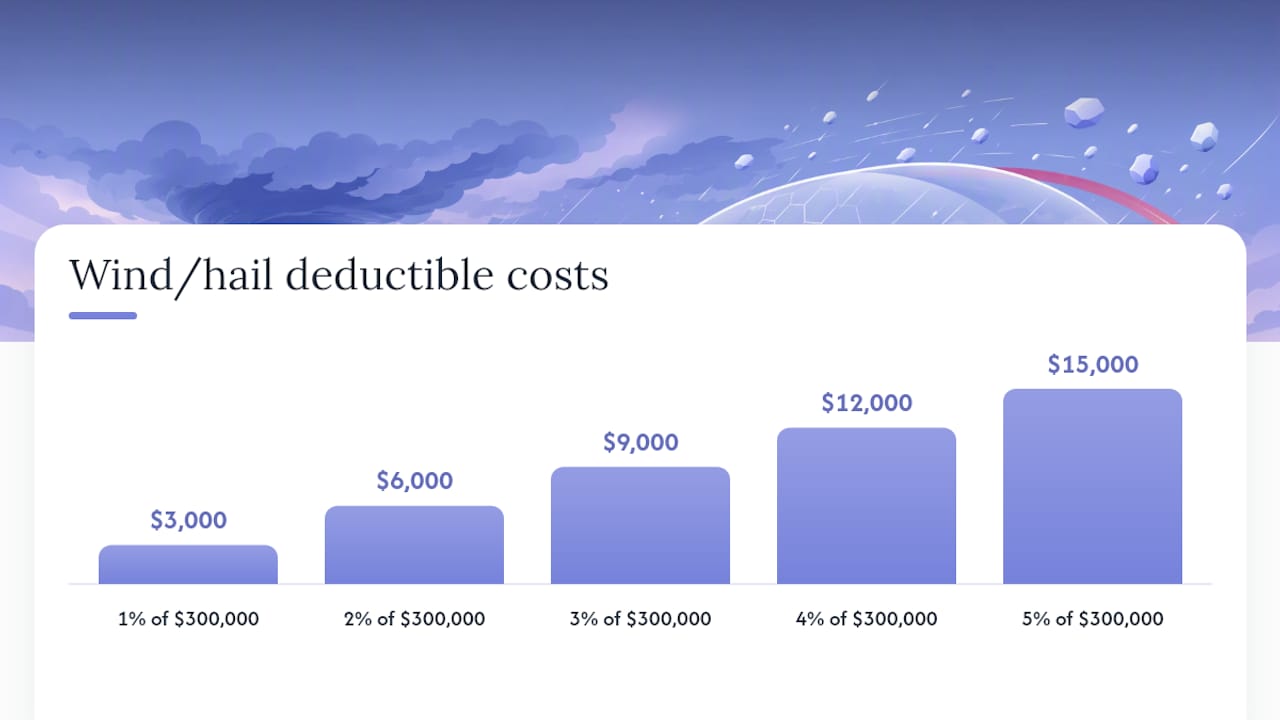
Say your dwelling coverage is $300,000 and your wind/hail deductible is set at 2%. You’re looking at $6,000 out of pocket before insurance pays a dime. Bump that to a common 5% deductible, and you’re covering $15,000 yourself. Industry data from the III shows these percentage-based deductibles running anywhere from 1% to 5%, depending on your carrier and county.
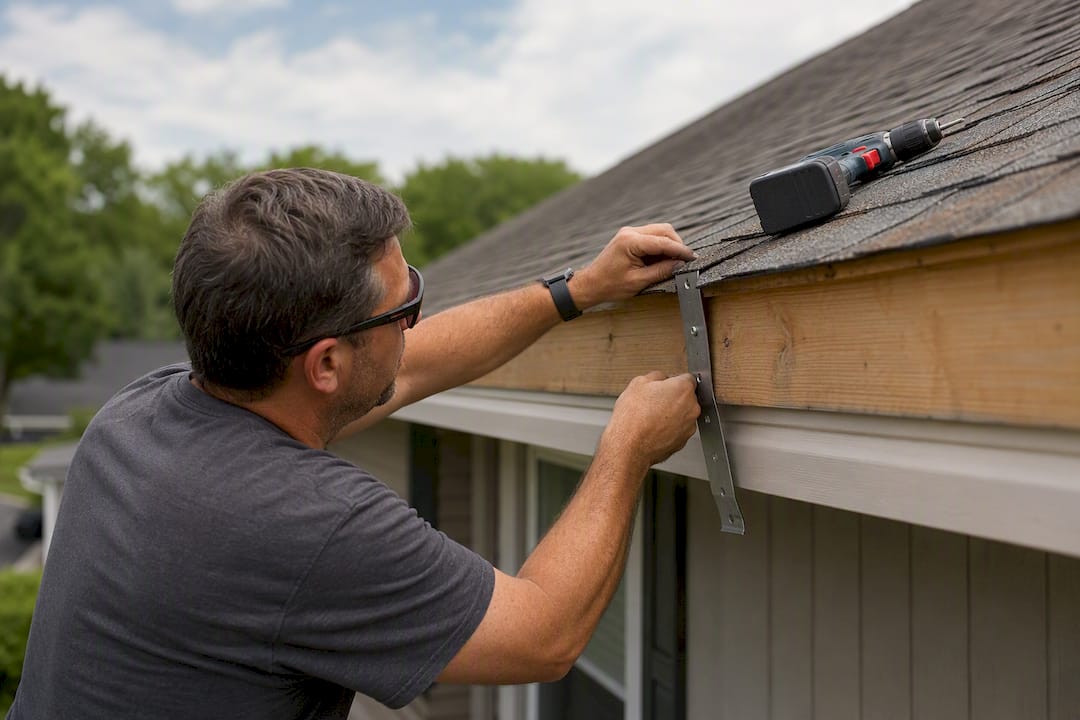
Premiums respond to roof age and material (a 20-year-old roof costs more to insure than one installed last year), your claims history, and how close you are to known tornado-prone areas. Mitigation steps can chip away at that cost: FEMA-certified storm shelters or safe rooms, and hurricane straps or clips reinforcing your roof structure, both tend to earn discounts. Choosing a higher standard deductible lowers your premium, but only if you can actually absorb that cost when a tornado hits.
Pro Tip: Find your dwelling limit on the declarations page, multiply by your wind/hail percentage, and write that number on a sticky note somewhere you’ll see it. That’s your real emergency fund target, not the number on your bank statement.
What Happens After You File a Tornado Damage Claim?
Filing correctly, and in the right order, speeds up everything that follows.
- Make sure everyone is safe before you touch anything.
- Photograph and video every room and the exterior, before cleanup begins.
- Call your agent or insurer directly, and log the representative’s name and the time of the call.
- Make temporary repairs (tarping a roof, boarding a window) and keep every receipt.
- Submit your claim with photos, receipts, and a written damage summary.
- Meet the adjuster for an inspection.
- Get an independent contractor estimate to compare against the adjuster’s scope.
- Expect an interim payment for emergency work, followed by a final settlement once scope is agreed.
If your home is unlivable, ask about ALE coverage immediately. Local reporting on Tennessee storm claims advises documenting every call with your insurer and keeping receipts for hotel stays, meals above your normal grocery budget, and pet boarding, since ALE typically reimburses those extra costs rather than your everyday expenses.
- Initial claim acknowledgment: usually within days
- Adjuster inspection: 1 to 2 weeks under normal conditions, longer after a widespread outbreak overwhelms local adjusters
- Interim payments: often issued for urgent repairs before final settlement
- Final settlement: once repair scope and cost are agreed, or through an appraisal process if they aren’t
Does Homeowners Insurance Cover Flood Damage From a Tornado?
No, and this is the gap that catches the most homeowners off guard. Standard homeowners policies exclude flood damage entirely, so if a tornado’s storm system also causes flash flooding or rising water, that water damage needs its own flood policy through the National Flood Insurance Program or a private carrier.
- New NFIP policies carry a 30-day waiting period, so buying flood coverage the week before a storm forecast won’t help you
- FEMA’s FloodSmart program explains flood zones and how to check your property’s risk
- Insurers sometimes dispute whether damage came from wind or water, especially with roof failures that let rain in during the same event
Document everything and make only temporary repairs until you know which policy, or both, will respond. Roman Insurance can help you check whether your homeowners policy needs a companion flood policy given your specific flood zone.
What Should You Do in the First 72 Hours After a Tornado?
Priorities in order:
- Get everyone safe and call emergency services if anyone is hurt.
- Photograph and video all damage from a safe distance before touching anything.
- Build a written inventory of damaged or destroyed belongings, room by room.
- Make temporary repairs only, and save every receipt.
- Avoid signing anything with a contractor who shows up unannounced offering to “handle the insurance.”
TDCI guidance issued through the Tennessee Attorney General’s office is direct on this point: make reasonable temporary repairs to stop further damage, but hold off on permanent repairs until an adjuster inspects and you’ve agreed on cost. Rebuilding before that inspection can cost you the difference if the adjuster’s estimate comes in lower than what you already spent.
Pro Tip: Keep a simple log, paper or phone note, of every insurer contact: date, time, name, and what was said. Six weeks into a claim dispute, that log is worth more than your memory.
When Should You File a Complaint or Call an Attorney?
Most tornado claims resolve without conflict, but a few red flags mean it’s time to escalate. Watch for a denial with no supporting documentation, a dispute over whether damage was wind or flood, unreasonable delays, or a settlement offer well below your contractor estimates.
- File a complaint with the Tennessee Department of Commerce & Insurance if you hit a wall with your carrier; bring your claim number, correspondence log, and denial letter.
- An insurance attorney can pursue appraisal, negotiate directly with the insurer, or, in serious cases, file a bad-faith claim if the insurer is acting unreasonably.
- Consider counsel once you’ve been denied in writing or an offer sits far below independent repair estimates, not before that point.
How Roman Insurance Helps You Prepare and Recover
A policy review before storm season catches gaps you can’t see in a rush after damage happens. Roman Insurance reviews your wind/hail deductible, dwelling limit, and ALE coverage, then flags where you’re exposed, whether that’s an outdated roof valuation or no flood endorsement despite living near a creek.
Bring your declarations page, recent photos of your roof and property, and any past claims history to a review. From there, Roman Insurance can help you:
- Confirm your wind/hail deductible percentage and what it means in real dollars
- Add or connect you with flood coverage where your property needs it
- Advocate alongside you during a claims dispute with clear documentation practices
- Bundle home and auto for savings that offset a higher standard deductible
A homeowner who understands their wind/hail deductible before a storm hits is in a completely different position than one who finds out during a claim. That’s the entire point of a policy review.
Why Tennessee’s Storm Reality Should Change How You Insure
Most tornado coverage advice reads like a checklist copied from a national insurer’s blog, heavy on generic tips and light on the fact that Tennessee’s tornado risk isn’t evenly spread or predictable in the way hurricane season is. Dixie Alley tornadoes hit fast, often at night, often in the cooler months when people assume they’re safe. That unpredictability is exactly why a wind/hail deductible sitting unchecked in your declarations page is more dangerous here than in states with a single, well-forecast storm season.
The conventional advice, “review your policy annually,” undersells the actual problem. Annual reviews miss the fact that your dwelling coverage limit needs to track rebuilding costs in real time, not last year’s estimate, and that a 2% deductible looked fine when you bought the house but feels very different after five years of construction cost increases.
What actually matters is pairing the official guidance, TDCI’s temporary-repair rule, NOAA’s county-level risk data, with someone local who can look at your specific numbers and tell you where you’re exposed. That combination, official process plus a local agent who knows West Tennessee, beats either one alone.
Get Your Tornado Coverage Checked Before the Next Storm Season
Roman Insurance is a local alternative to guessing whether your policy actually protects you, we sit down with your declarations page and tell you, in plain terms, what your wind/hail deductible really means in dollars and where your flood exposure sits. As a West Tennessee agency working with Allstate, we focus on high-value residential customers within about 10 miles of 38002, including Lakeland, Bartlett, Collierville, and Germantown, so the review reflects your actual county and construction costs, not a national average.

If your roof is older, your dwelling limit hasn’t been updated in a few years, or you’ve never checked whether you need a separate flood policy, that’s exactly what a Roman Insurance review sorts out. Bundling your home and auto coverage can also help offset the cost of a lower standard deductible. Request a homeowners policy review today and find out exactly where you stand before the next tornado watch goes up.
Frequently Asked Questions
Does standard homeowners insurance cover tornado damage in Tennessee?
Yes, wind and tornado damage to your dwelling, other structures, and personal property is typically covered, subject to your wind/hail deductible and any policy sublimits.
What’s the difference between a wind/hail deductible and my regular deductible?
Your regular deductible is usually a flat dollar amount. Wind/hail deductibles are often a percentage of your dwelling coverage limit, commonly 1% to 5%, which can mean thousands more out of pocket.
Does homeowners insurance cover flood damage from a tornado’s storm system?
No. Flood damage requires a separate policy through the NFIP or a private flood insurer, and new policies carry a 30-day waiting period before coverage starts.
How long does a Tennessee tornado claim typically take?
Initial acknowledgment often comes within days, adjuster inspections within 1 to 2 weeks under normal conditions, and final settlement after the repair scope is agreed or resolved through appraisal.
When should I contact an attorney about a tornado claim dispute?
Consider counsel once you have a written denial lacking documentation, a wind-versus-flood classification dispute, or a settlement offer well below independent contractor estimates.
Sources
- Tennessee Attorney General press release (TDCI guidance) — 2025
- FOX17 — Tennessee insurance claims tips for severe weather (2026)
- Weather
- FEMA — flood maps and NFIP guidance
- Insurance Information Institute — Tornadoes and insurance