What makes boat insurance for older boats different from standard policies?
Boat insurance for older boats is a specialized form of coverage built around the realities of aging, vintage, and classic vessels. Standard boat policies are priced and structured for newer production boats with predictable parts costs and clear market values. Older boats break both of those assumptions.
A 40-year-old wooden Chris-Craft or a vintage fiberglass sailboat from the 1970s may be worth far more to its owner than any depreciated market price suggests. Repair costs for period-correct materials, hand-laid fiberglass, or bronze hardware can easily exceed what a standard policy would pay. That gap is exactly why specialty underwriting exists.
Key reasons older boats require different coverage:
- Standard carriers often decline boats over 20–40 years old, treating them as high-risk loss centers
- Restoration and repair costs frequently exceed market value, especially for wood hulls
- Valuation methods differ: agreed value rather than depreciated actual cash value
- Parts availability and skilled craftsman labor add unpredictable cost layers
- Specialty underwriters assess actual condition rather than rejecting based on age alone
How are older boats classified for insurance purposes?
The Antique and Classic Boat Society (ACBS) provides the most widely recognized classification framework, and insurers often reference it when underwriting vintage vessels.
Common classifications and their insurance relevance:
- Antique: Generally boats 50 or more years old; highest scrutiny, often requires documented provenance
- Classic: Typically 25–50 years old; the most common category for specialty marine policies
- Late Classic: Roughly 1970s production boats; fiberglass hulls dominate; growing collector interest
- Contemporary Classic: Newer boats with collectible status due to limited production or design significance
Hull material also drives underwriting decisions. Wood, steel, ferro cement, and aluminum each carry distinct repair cost profiles that standard actuarial tables don’t capture well. A wooden hull that trades for $8,000 might need a $15,000 plank repair after a single grounding. Insurers who understand that distinction write better policies for it.
How classic boat coverage differs from a standard policy
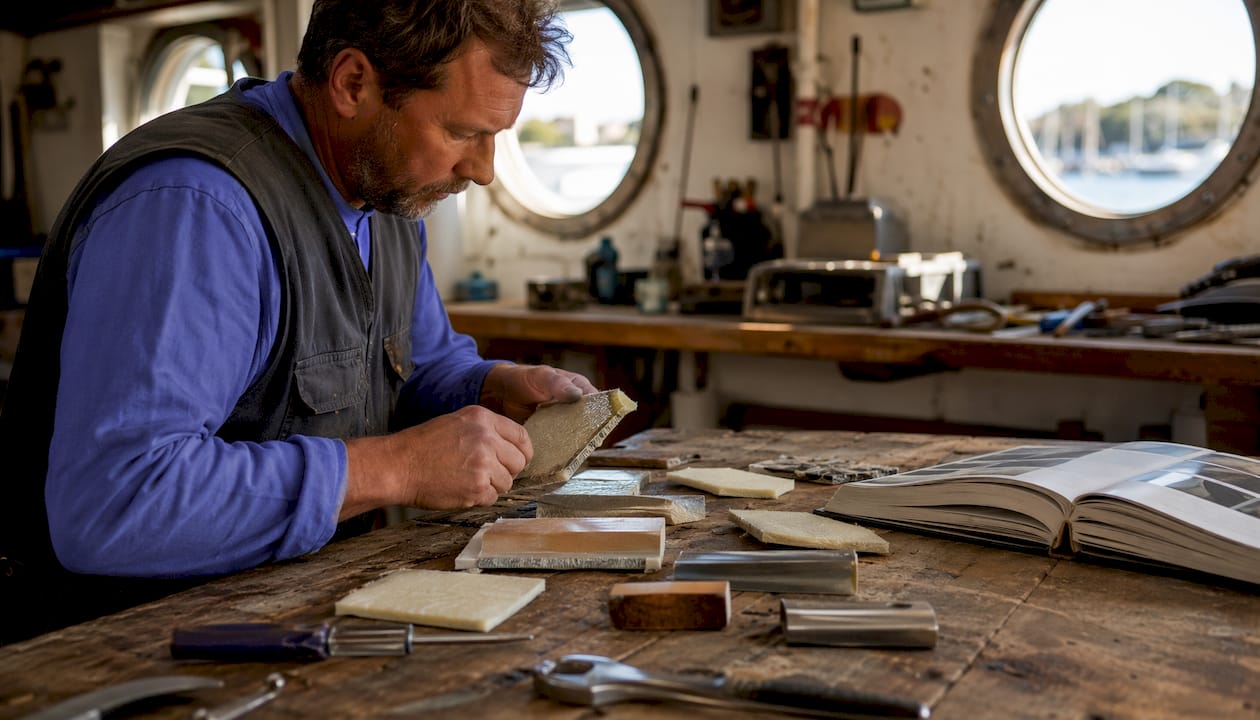
The core structural difference is agreed value versus actual cash value. A standard policy pays what the boat is worth at the time of loss, after depreciation. An agreed value policy pays the full insured amount on a total loss, no depreciation argument required.
Other meaningful differences:
- Restoration coverage: Specialty policies can cover the boat while it’s ashore during active restoration
- Spare parts and tools: Covered under programs like Hagerty’s, which is absent from most standard marine policies
- No age restrictions: Specialty underwriters such as those offering vintage boat coverage consider all hull types regardless of age
- Sums insured above market value: Owners can insure a vessel for its repair cost, not just its resale price
- Liability structure: Third-party liability, legal costs, and salvage charges are typically bundled
Standard homeowner policy riders and basic watercraft endorsements almost never address any of these needs.
What factors drive premiums for older boat coverage?
Premiums for marine insurance on older vessels reflect a wider set of variables than newer-boat policies. No single factor dominates; underwriters weigh the combination.
Factors that affect your premium:
- Boat age and condition: Condition matters more than age to specialty underwriters; a well-maintained 50-year-old vessel can be more insurable than a neglected 15-year-old one
- Hull material: Wood and ferro cement cost more to repair than fiberglass; premiums reflect that
- Documented maintenance history: Strong records can reduce scrutiny and sometimes waive survey requirements
- Geographic risk: Boats in hurricane-prone regions face harder and more expensive coverage conditions; some carriers restrict travel zones seasonally
- Vessel size and length: Larger boats cost more to repair and carry higher liability exposure
- Owner experience and ownership history: Insurers favor documented boat ownership over crewing experience
- Claims history: Even one prior claim can shift your placement to a higher-risk underwriting tier
- Agreed insured value: Higher agreed values mean higher premiums, but also real protection
Pro Tip: Never let your policy lapse, even for a single day. A gap in coverage gives an insurer grounds to decline renewal or raise your premium, particularly if you’ve had prior claims.
How to get insurance for an older or vintage boat
Securing insurance before you buy is the single most important step most buyers skip. Brokers consistently report losing sales because buyers fall in love with a vessel they cannot insure.
Steps to securing coverage:
- Get quotes before you shop: Many carriers will refuse coverage based on age alone; know your options before committing to a purchase
- Commission a marine survey: A certified surveyor from organizations like ABYC or NAMS documents condition and supports your agreed value
- Gather maintenance records: For vessels under $150,000, strong documented maintenance history can waive the formal survey requirement entirely
- Work with a specialty marine broker: A broker represents multiple underwriters; an agent represents one company. For older boats, the broker’s network is what gets you covered
- Document everything with photos: Current, dated photos of hull, engine, deck, and interior support your agreed value and speed up claims
- Disclose ownership history: Prior ownership records, past repairs, and any known damage history affect underwriting; surprises at claim time are worse than disclosures upfront
Key coverage features in classic boat policies
Specialty programs for classic and vintage vessels include protections you simply won’t find in a standard marine policy. Hagerty, one of the best-known names in classic boat insurance, lists these among its coverage features:
- Agreed value hull coverage: Full payout on total loss, no depreciation
- Cherished Salvage®: Owner retains the wreck after a total loss payout
- Emergency protection: Towing, fuel delivery, and breakdown labor costs
- Trip interruption coverage: Reimburses costs if a covered loss strands you away from home
- Spare parts and tools coverage: Protects the inventory of period-correct parts many classic boat owners stockpile
- Fine arts and antiques coverage: Relevant for vessels carrying original equipment, artwork, or historical instruments
- Valuable papers coverage: Protects original documentation, logbooks, and provenance records
- Wreck removal and salvage expenses: Covers mandatory removal costs after a sinking or grounding
Progressive offers older boat coverage through its standard marine program, though classic boat owners with high-value or wooden vessels typically find more tailored terms through specialty underwriters.
Understanding agreed value coverage for older boats
Agreed value coverage means you and the insurer agree on the boat’s insured value at policy inception. If the boat is a total loss, you receive that amount in full. Actual cash value coverage, by contrast, pays what the boat is worth at the time of the claim after depreciation, which for a 35-year-old vessel can be a fraction of what you paid or what repairs would cost.
The catch most owners miss: even an agreed value hull policy may depreciate equipment separately. Running gear, electronics, and mechanical components may be covered at replacement value for the first 10 years, then lose 5% of value annually after that. A grounding claim on a 30-year-old boat could leave you with no coverage on the running gear even if the hull claim pays in full.
Pro Tip: Ask your underwriter specifically how equipment depreciation is handled. Request the exact clause in writing, and keep receipts for any major component replacements, since newer parts reset the depreciation clock.
Practical steps for agreed value negotiations:
- Get a professional appraisal from a certified marine surveyor before binding coverage
- Document recent upgrades with dated receipts; new engines or electronics increase defensible agreed value
- Review the policy annually; agreed value should rise if you’ve invested in restoration
What to expect when filing a claim on an older boat
Claims on older vessels move differently than claims on newer production boats. Adjusters familiar with fiberglass runabouts may have no frame of reference for a 1960s mahogany hull or a ferro cement ketch.

Request an adjuster with marine specialty experience at the first contact. If your insurer assigns a general property adjuster, ask for a marine specialist or hire a public marine adjuster to represent your interests. Document damage thoroughly with photos and video before any temporary repairs, and keep receipts for every emergency expense since trip interruption and emergency protection riders require documentation to pay.
The most common friction point is parts sourcing. Period-correct wood, bronze fittings, or discontinued fiberglass molds take time and money to locate. Build that reality into your claim narrative from the start, and provide written estimates from yards that specialize in classic vessel repair rather than general marine shops.
Why a professional appraisal matters for older boat insurance
A certified marine survey is the foundation of any solid older boat insurance policy. Without one, you’re negotiating agreed value based on guesswork, and the insurer holds all the leverage.
Surveyors credentialed through SAMS (Society of Accredited Marine Surveyors) or NAMS inspect hull integrity, mechanical systems, electrical systems, and safety equipment. Their written report establishes condition, supports your requested insured value, and gives underwriters the documentation they need to bind coverage confidently. For boats valued under $150,000 with strong maintenance records, some underwriters waive the survey, but for any high-value or wooden vessel, the survey cost is money well spent.
Appraisals should be updated every three to five years, or after any major restoration work. An outdated survey that understates your boat’s current value leaves you underinsured at exactly the moment you need full coverage.
Key Takeaways
Specialty marine insurance built around agreed value coverage is the only reliable protection for owners of older, vintage, or classic boats.
| Point | Details |
|---|---|
| Get quotes before buying | Many carriers decline boats considered older or vintage; know your options before you commit to a purchase. |
| Agreed value beats actual cash value | Agreed value pays the full insured amount on total loss; actual cash value depreciates the boat at claim time. |
| Equipment depreciation is a hidden risk | Even agreed value hull policies may depreciate running gear and electronics as they age, potentially reducing coverage after several years. |
| Surveys support your insured value | A SAMS or NAMS certified survey establishes condition and gives underwriters the documentation to bind coverage. |
| Specialty brokers open more doors | A marine specialty broker represents multiple underwriters; an agent represents one, limiting your options significantly. |
Roman-insurance helps West Tennessee boat owners find the right coverage for vessels of every age. Whether you’re protecting a classic wooden runabout or a vintage fiberglass cruiser, the boat liability coverage you carry matters as much as the hull policy. Roman-insurance also covers homeowners insurance and a full range of personal lines for high-value residential customers in the greater Memphis area.